

Caring for Your Niton XL2 100P & DXL: Precious Metal Analyzers
Maintaining your Niton analyzer properly is essential for preserving measurement accuracy, uptime, and overall instrument lifespan. With a few disciplined practices, you can ensure consistently reliable performance in day-to-day operations.
Keep Critical Components Clean
The measurement window is the most sensitive interface of the instrument. Regularly inspect it for dust, oils, or metal residues, and clean it using a lint-free cloth or approved swabs. Contamination at the window can lead to inaccurate readings or drift. Likewise, ensure samples are clean and dry before testing, surface dirt or plating residues can skew results.
Use Proper Measurement Technique
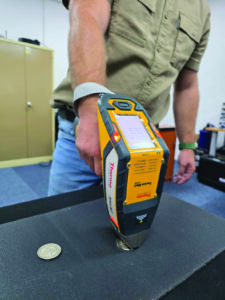
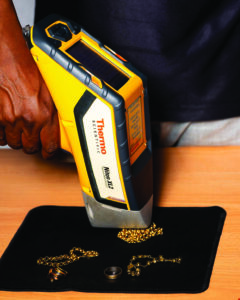
Always place samples flush against the window with consistent pressure and positioning. Avoid testing items that are sharp, rough, or likely to damage the window film. For plated or irregular items, take multiple readings and average results to improve confidence.
Protect the Instrument Physically
While Niton analyzers are designed for field use, they remain precision instruments. Avoid drops, impacts, and prolonged exposure to extreme temperatures, humidity, or direct sunlight. When not in use, store the unit in its protective case in a stable, dry environment.
Manage Battery Health
Use only manufacturer-approved batteries and chargers. Avoid frequent deep discharges; instead, recharge the battery at moderate levels to prolong its lifespan. If storing the unit for extended periods, remove the battery or store it partially charged.
Verify Performance Regularly
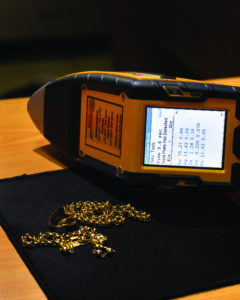
Routine checks using certified reference materials (CRMs) are critical. This allows you to confirm instrument stability and detect any drift early. Establish a simple QC routine – daily checks for high-use environments, or weekly for lower throughput operations, and track results over time.
Keep Software and Calibration Current
Ensure your analyzer firmware and calibration libraries are up to date. Periodic factory calibration checks or servicing, depending on usage intensity, help maintain compliance and accuracy, especially in trade or regulatory environments.
Handle with Consistency and Discipline
Consistency in operators, procedures, and testing conditions reduces variability and improves data reliability. If multiple users operate the instrument, ensure they are trained on best practices.
Use the Instrument Safely and Responsibly
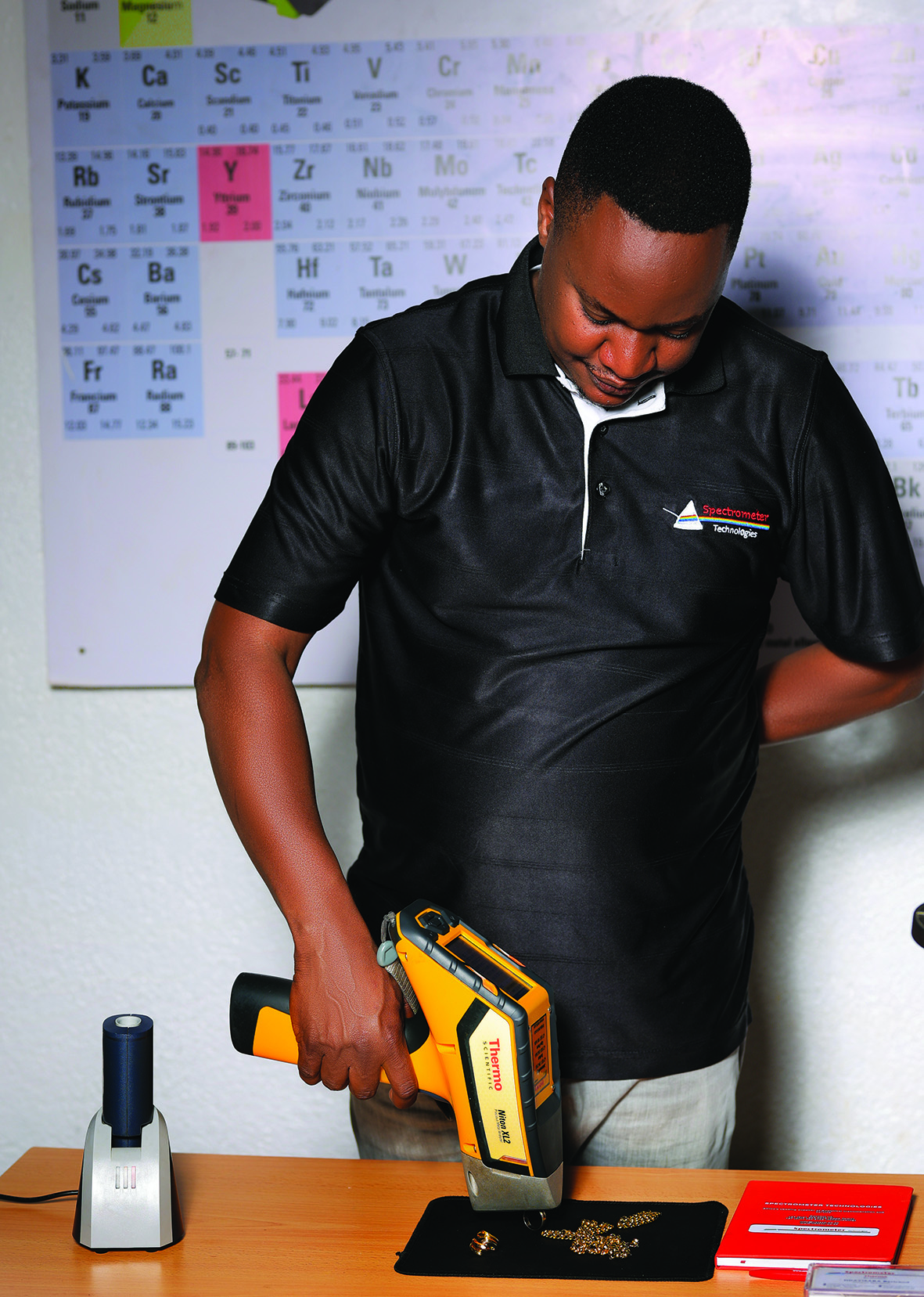
Always analyze samples in a safe and controlled manner. Never hold samples by hand during testing or place any part of your body near the measurement window while the instrument is active. Whenever possible, use an appropriate test stand, sample cup, or bench setup to maintain safe operating distances and improve measurement consistency. Proper radiation safety practices protect both the operator and those nearby while also reducing the risk of accidental instrument damage.
FOR MORE INFORMATION