Jewellery manufacturing creates jewellery from raw materials, such as precious metals, gemstones, and pearls. It involves various techniques, including
casting, forging, fabrication, wireworking, beading, enameling, stone setting, polishing, and plating.
Casting
Casting is one of the most famous jewellery manufacturing techniques. It involves melting metal and pouring it into a mold, which is cooled and removed. It allows for various shapes and designs.
How does casting work?
Sand casting uses a sand mold created by pressing a pattern into sand. Molten metal is poured into the cavity.
Investment casting uses a wax mold injected into a mold cavity, coated with plaster, then heated to melt the wax and harden the plaster. Molten metal is poured in, and once cooled, the mold is broken to reveal the jewellery.
EXAMPLES OF CAST JEWELLERY
▶ Rings: Made from metals like gold, silver, platinum, and palladium, often set with gemstones.
▶ Necklaces: Made from various metals, can include gemstones or pearls.
▶ Earrings: Popular for men and women, made from various metals, can be gem- or pearl-set.
▶ Bracelets: Also popular for both men and women, available in various metals with gemstone or pearl options.
▶ Pendants: Used in necklaces, made from various metals, often gem- or pearl-set.
Stamping
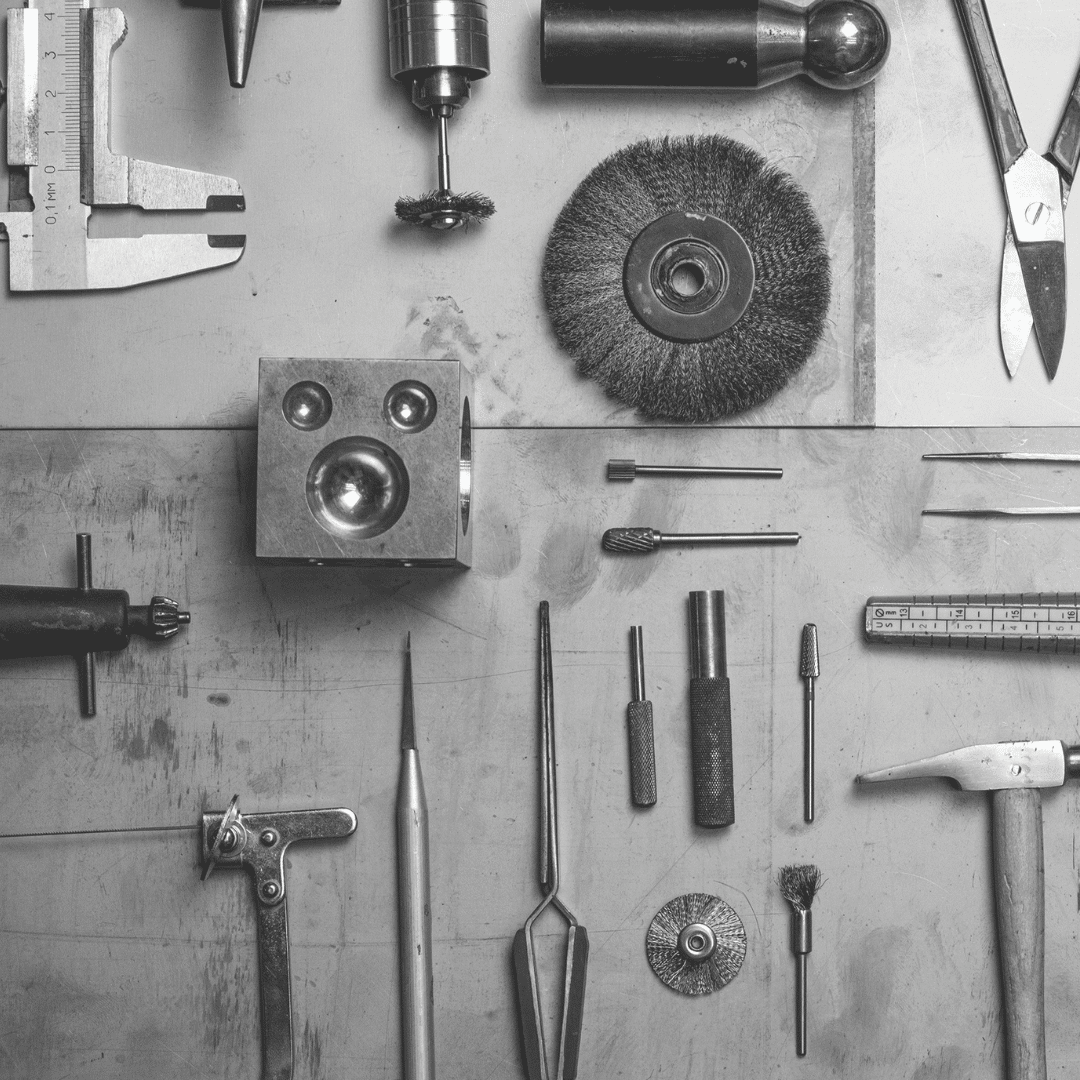
Stamping is a metalworking process in which a design is impressed into metal using a die. The metal is placed between the die and a punch, which is driven into the metal to create the design.
Stamping is used in jewellery manufacturing to create letters, numbers, symbols, decorative patterns, and hollow pieces like beads and tubes.
There are two types:
▶ Hand stamping – uses a hand-held stamp and hammer; slower but allows creativity and precision.
▶ Machine stamping – uses a stamping machine; faster, efficient, but less flexible.
Stamping is a versatile and efficient technique used to create various pieces, from simple to complex.
EXAMPLES OF STAMPING IN JEWELLERY:
▶ Stamping initials or names
▶ Stamping decorative patterns
▶ Stamping designs on tags
▶ Stamping serial numbers
▶ Stamping hallmarks
Hallmarks indicate jewellery’s purity, origin, and maker, ensuring quality and authenticity. Stamping is essential in jewellery manufacturing.
Wireworking
Wireworking is a jewellery-making technique involving bending, shaping, and weaving wire. It is versatile and used to create a range of jewellery, from simple to complex.
Used for making: Necklaces, Bracelets, Earrings, Rings, Pendants, Charms, Chains, and Findings (like earwires, jump rings, clasps).
Styles include:
▶ Wire wrapping – wrapping wire around beads, stones, and objects for handmade designs.
▶ Chainmaille – weaving wire rings together; known for intricate, geometric designs.
▶ Beading – stringing beads on wire to form various designs.
▶ Filigree – bending wire into delicate, airy patterns.
▶ Wire sculpture – shaping wire into artistic, three-dimensional forms.
EXAMPLES:
▶ Wrapping a bead to create a pendant
▶ Weaving chainmaille rings for a bracelet
▶ Stringing beads on wire for a necklace
▶ Shaping wire into a filigree pendant
▶ Sculpting wire into a 3D ring
Wireworking is an integral part of jewellery manufacturing.
Beading
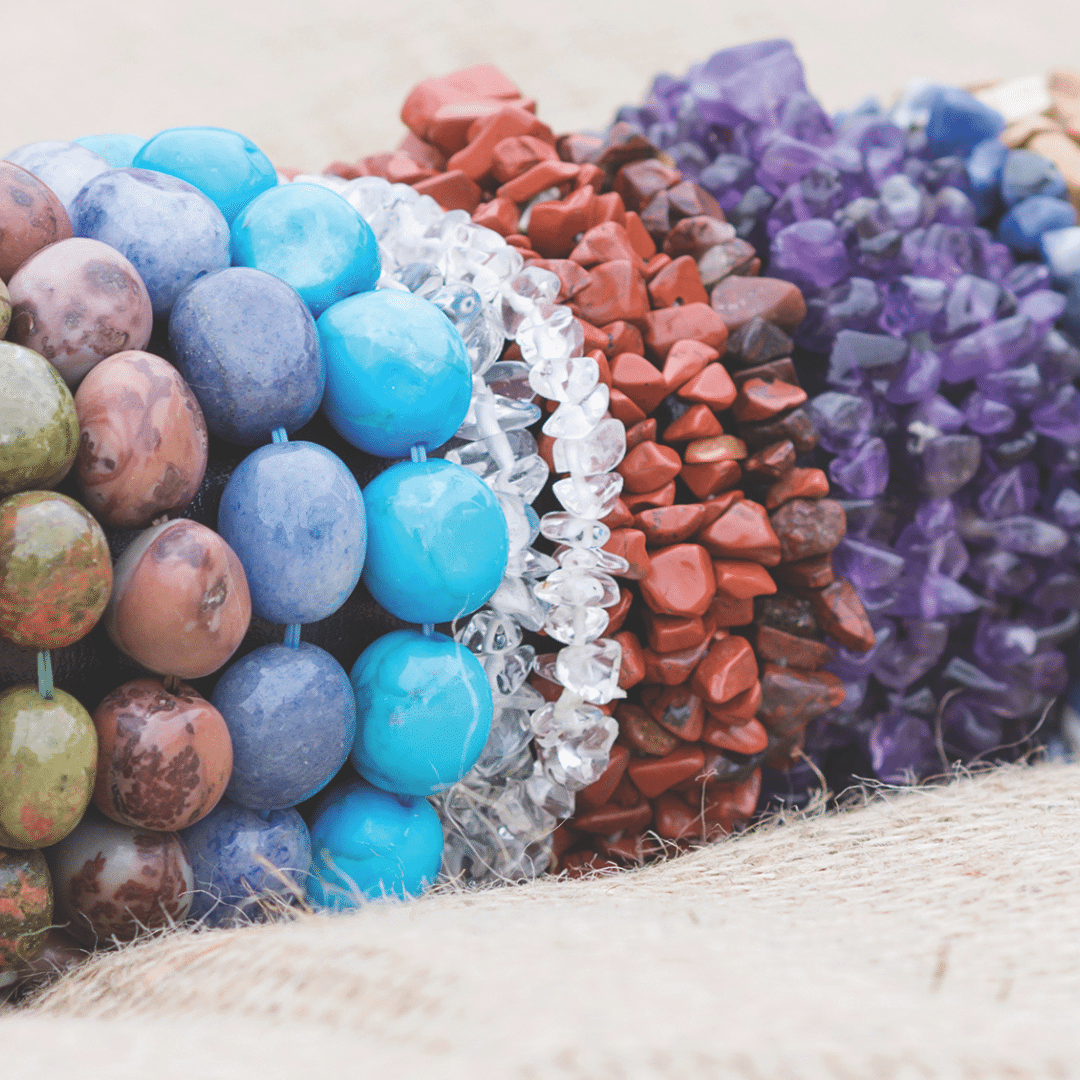
Beading is a jewellery-making technique involving stringing beads together to create jewellery pieces. It is popular for handmade jewellery and allows for simple to complex designs.
Popular beading materials include:
▶ Glass, Crystal, Pearl, Seed, Metal, Wooden, Stone, Ceramic, and Polymer clay beads.
Beading techniques include:
▶ Single strand – beads strung onto one wire or thread.
▶ Multiple strands – beads strung onto two or more strands for complexity and durability.
▶ Bead weaving – weaving beads together to form intricate designs.
Beading is used to create: Necklaces, Bracelets, Earrings, Rings, Pendants, Charms, Anklets, Hair ornaments, and Clothing embellishments.
Beading styles include:
▶ Traditional – geometric patterns and motifs.
▶ Contemporary – innovative designs.
▶ Ethnic – traditional materials and cultural motifs.
EXAMPLES:
▶ Stringing glass beads for a necklace
▶ Stringing crystal beads for a bracelet
▶ Weaving seed beads into a pendant
▶ Using metal beads for a ring
▶ Mixing wooden beads for unique pieces
▶ Using stone, ceramic, or polymer clay beads for distinctive designs
Beading is an integral part of jewellery manufacturing.
Enameling
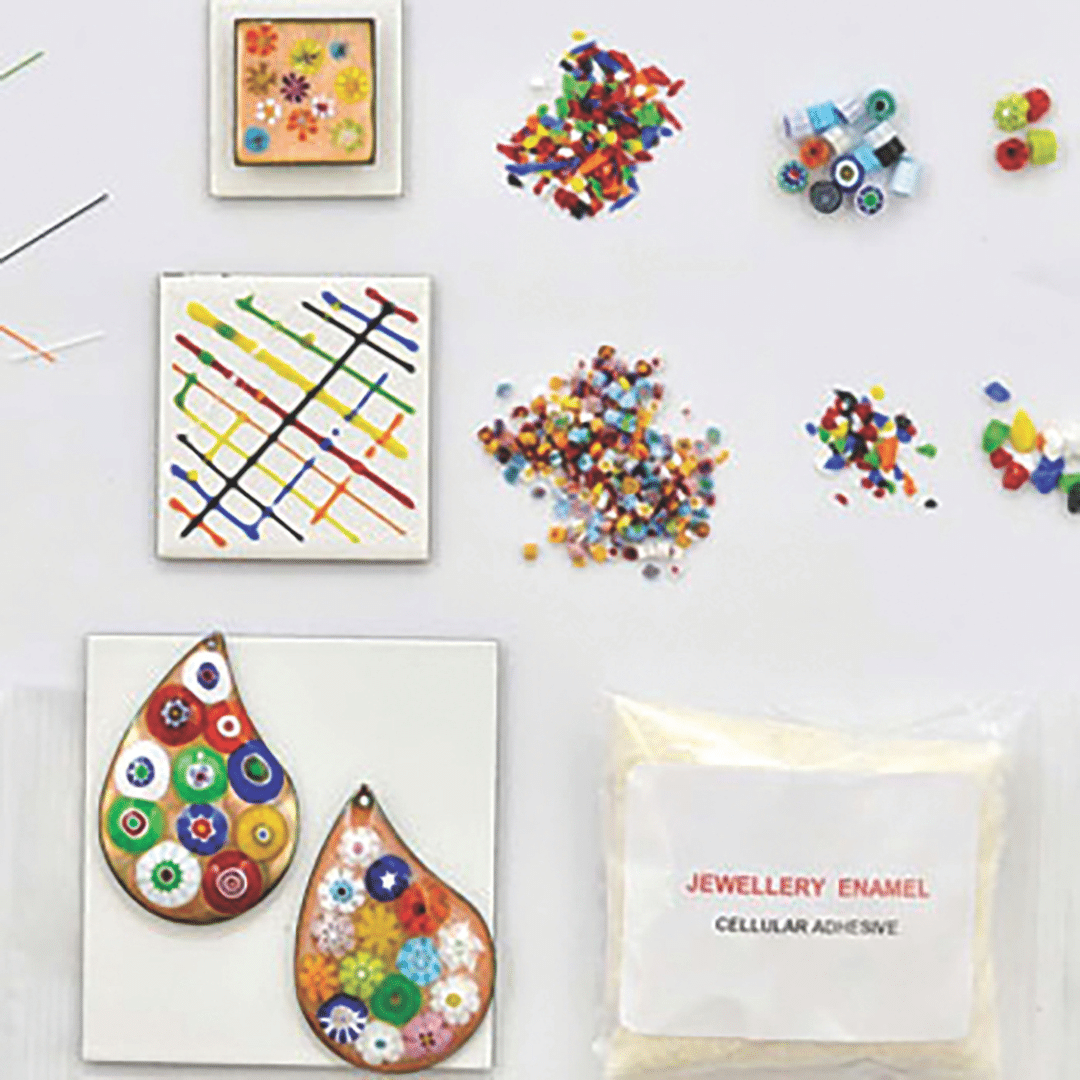
Enameling is a jewellery-making technique that involves applying glass to a metal surface. The enamel is fired in a kiln to melt and fuse it to the metal.
Enameling creates effects such as:
▶ Solid, translucent, opaque colours
▶ Multicoloured and textured designs
▶ Cloisonné: enamel in cells formed by metal wires
▶ Champlevé: enamel in recessed metal areas
▶ Plique-à-jour: enamel on perforated metal for translucent effect
Used to make: Necklaces, Bracelets, Earrings, Rings, Pendants, Charms, Pins, Cufflinks, Tie bars, and Money clips.
Styles include:
▶ Traditional – geometric motifs
▶ Contemporary – unique, modern designs
▶ Ethnic – cultural materials and patterns
EXAMPLES:
▶ Enameling a copper pendant in solid blue
▶ Silver bracelet with translucent green enamel
▶ Gold ring with opaque white enamel
▶ Multicoloured floral enamel on silver necklace
▶ Textured enamel on copper cufflink
▶ Cloisonné enamel pin with geometric design
▶ Champlevé enamel pendant with floral pattern
▶ Plique-à-jour enamel earring with butterfly motif
Enameling is an essential part of jewellery manufacturing.